Product profile
Sweetness, bitterness, carbonation, strength, functionality and serving size.
The occasion lens
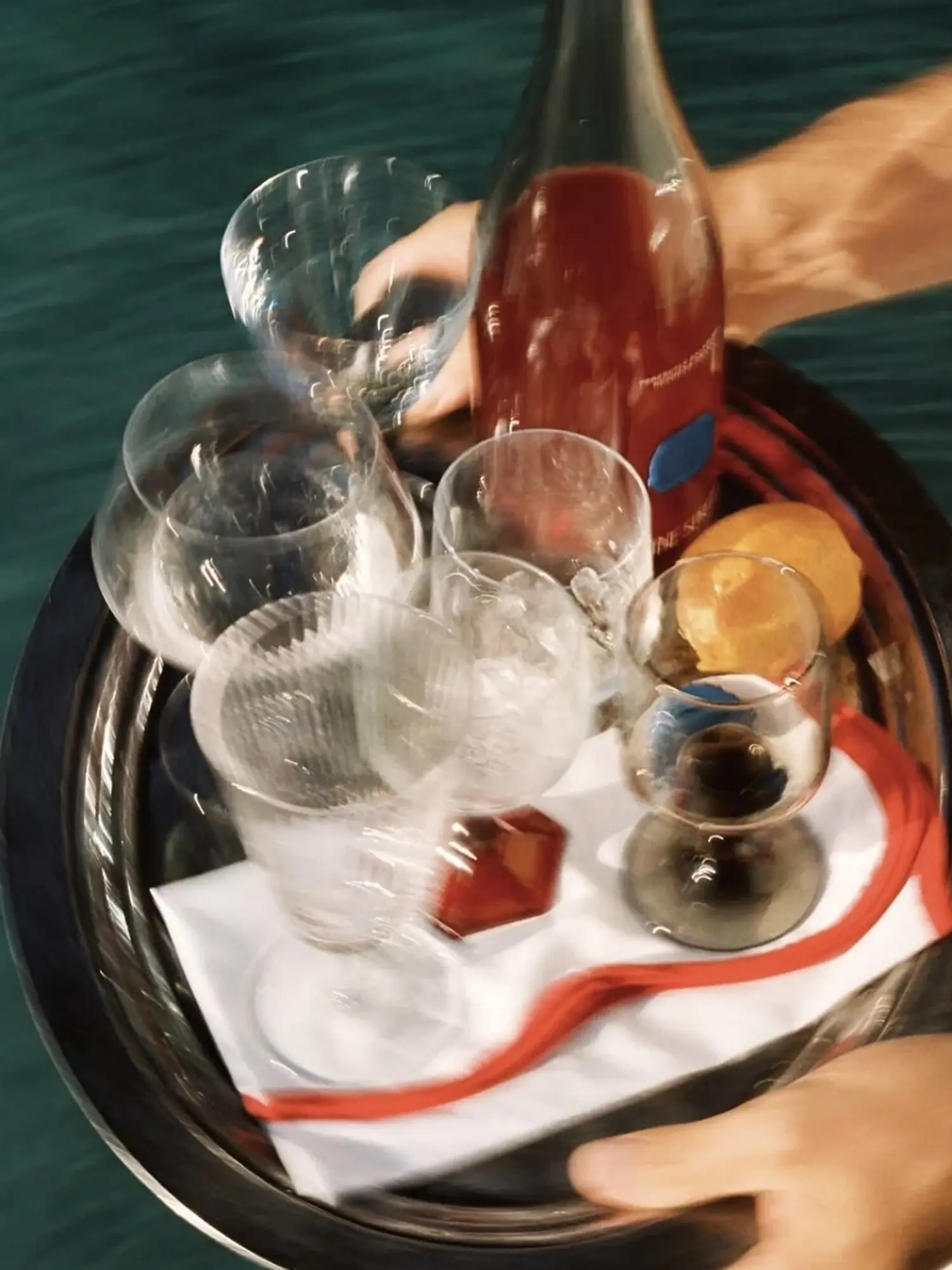
A glass of wine, a low-alcohol spritz, a matcha, a hard seltzer and a non-alcoholic aperitif can compete for the same moment. That changes the product, brand, pack, price and route to market.
The short answer
Consumers do not stand in front of a complete beverage category and make an abstract choice. They solve a moment: energy before work, a sophisticated alcohol-free dinner, something portable for the park, a premium bottle for the table or a drink that belongs in a pre-party cooler.
The useful question is not only “who is the target?” It is “what are they choosing now, in which setting, and what else could satisfy the same need?”
Share of occasion
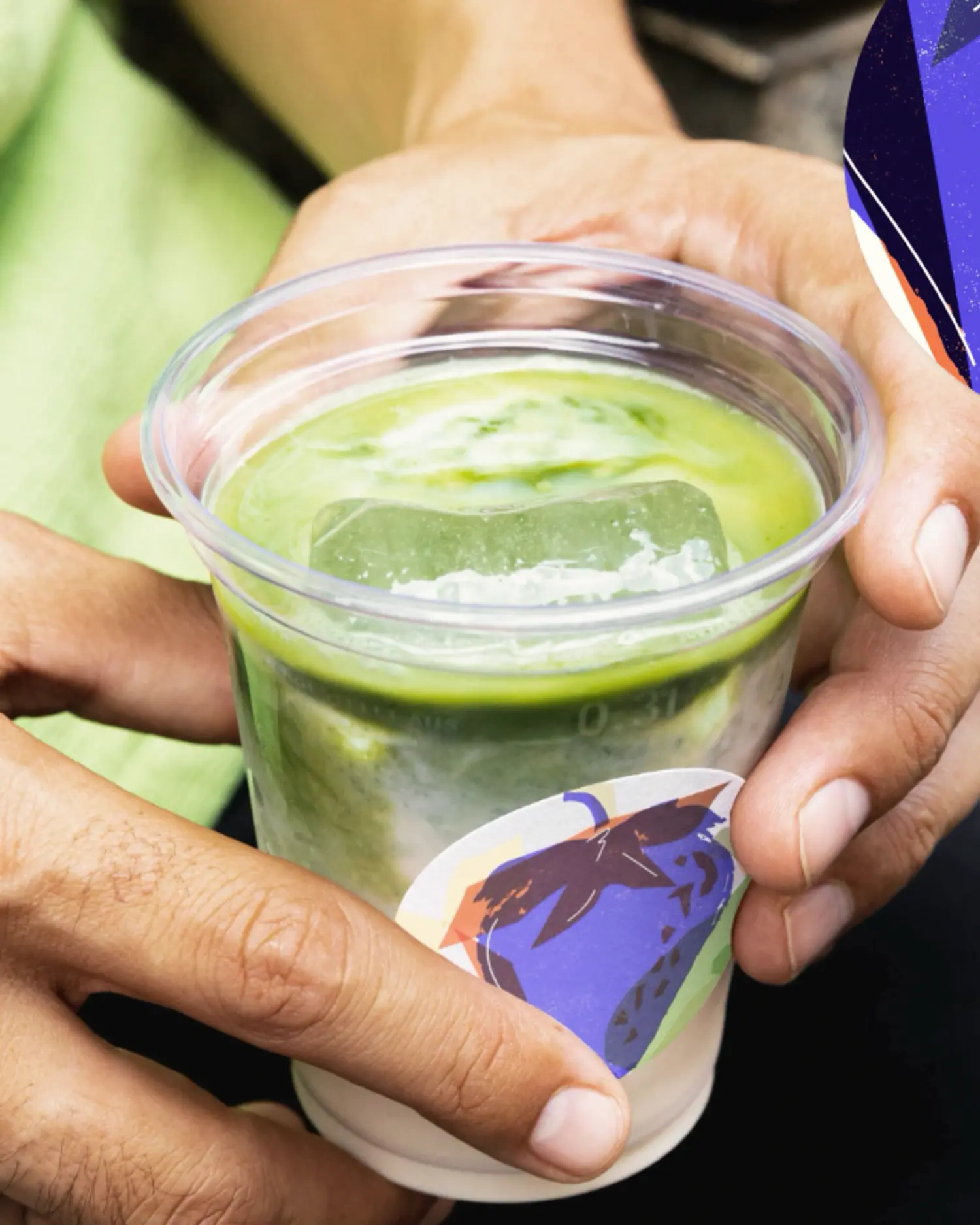
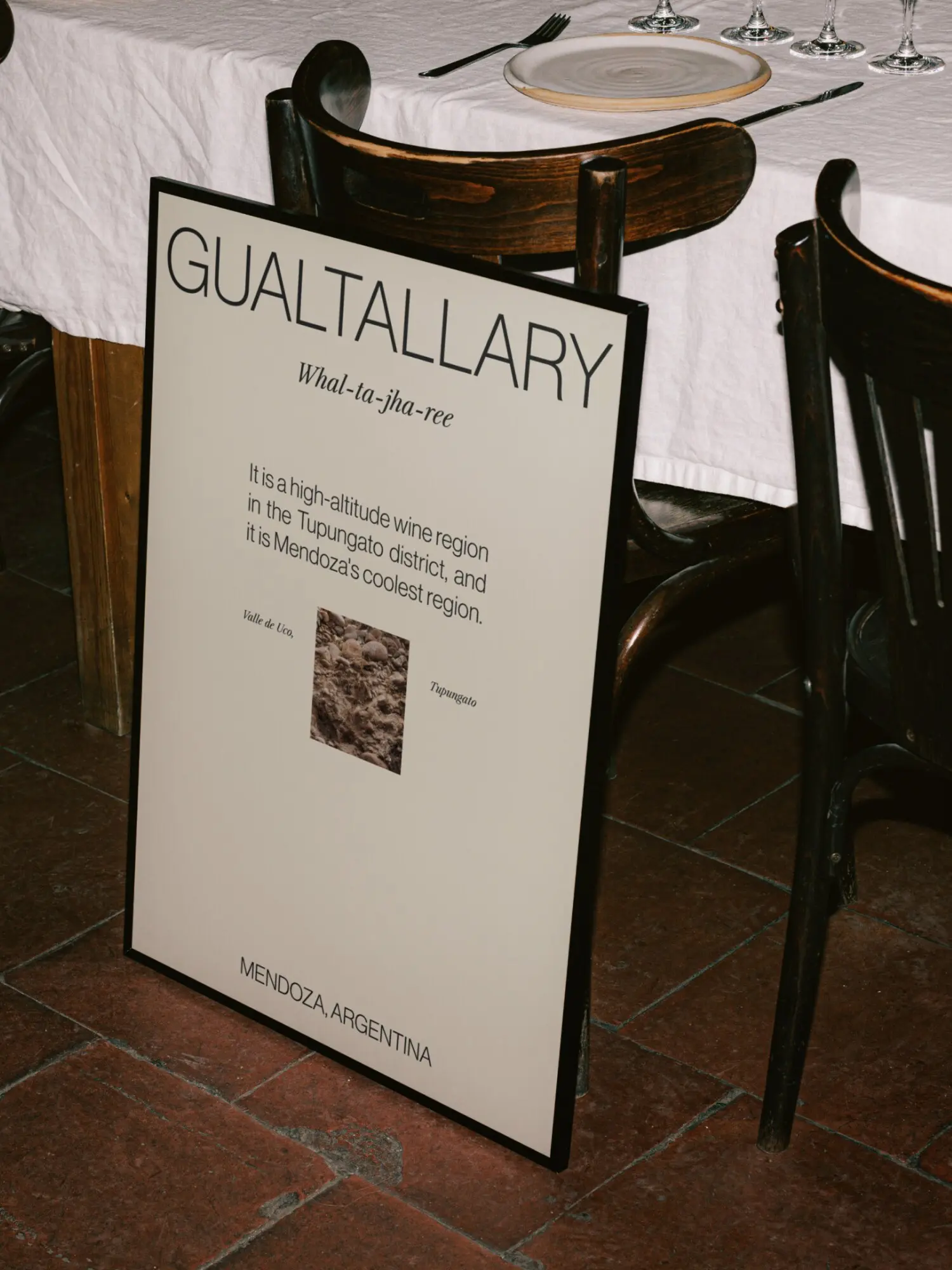
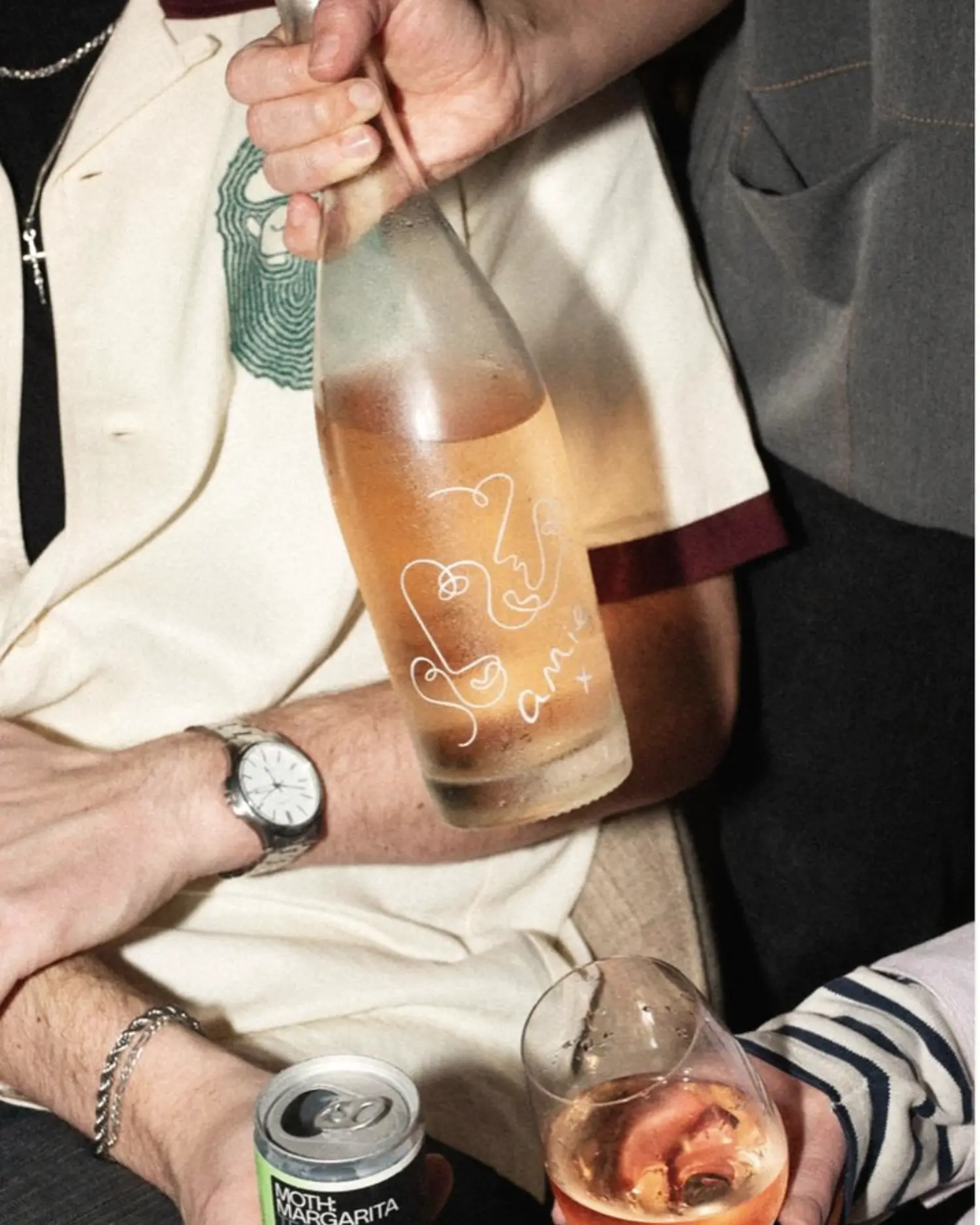
Category explains the market. Occasion reveals the choice: which moment is the brand losing, to which alternative, and what must change to earn it? A matcha can compete with coffee for morning energy. A canned Lambrusco can compete with beer in a cooler. An adult soft drink can compete with wine at dinner.

What the occasion decides
Sweetness, bitterness, carbonation, strength, functionality and serving size.
The job the drink performs and the alternative it needs to beat.
What belongs in a fridge, on a table, in a hand, on a menu or in a gift.
What the moment can support and which price comparison the buyer will make.
Where the occasion begins: retail, hospitality, ecommerce, workplace or event.
How the drink is served, shown, remembered and recommended.
How to use it
Define when the drink is chosen, where it is consumed, with whom, why that moment matters, what is currently chosen instead and which constraint cannot be ignored.
Then use that decision as a shared input for formulation, positioning, identity, packaging and launch. Those workstreams can move in parallel because they are solving the same moment rather than interpreting separate briefs.
Founders also ask
The concrete moment, need, setting and social context in which someone chooses and consumes a drink: when, where, with whom, why and instead of what.
An audience describes who may buy. An occasion describes the choice they are making now. The same person makes different beverage choices across the day and week.
Yes, but it needs one clear primary occasion at launch and a credible reason to stretch into adjacent moments. Trying to own everything normally produces a generic proposition.
Yes. Sweetness, bitterness, carbonation, alcohol, caffeine, serving size and format should support the moment and the alternative the drink replaces.
Bring the idea, product or existing brand. I’ll identify the moment, the competitive set and the decisions that need to align next.